Monumental Art • Education • Cultural Diplomacy • Interfaith Dialogue • Humanitarian Service
Our mission is to challenge the status quo, embrace innovation, and create meaningful, lasting impact through everything we do. Driven by a vision to inspire change, push boundaries, we deliver work that truly makes a difference.
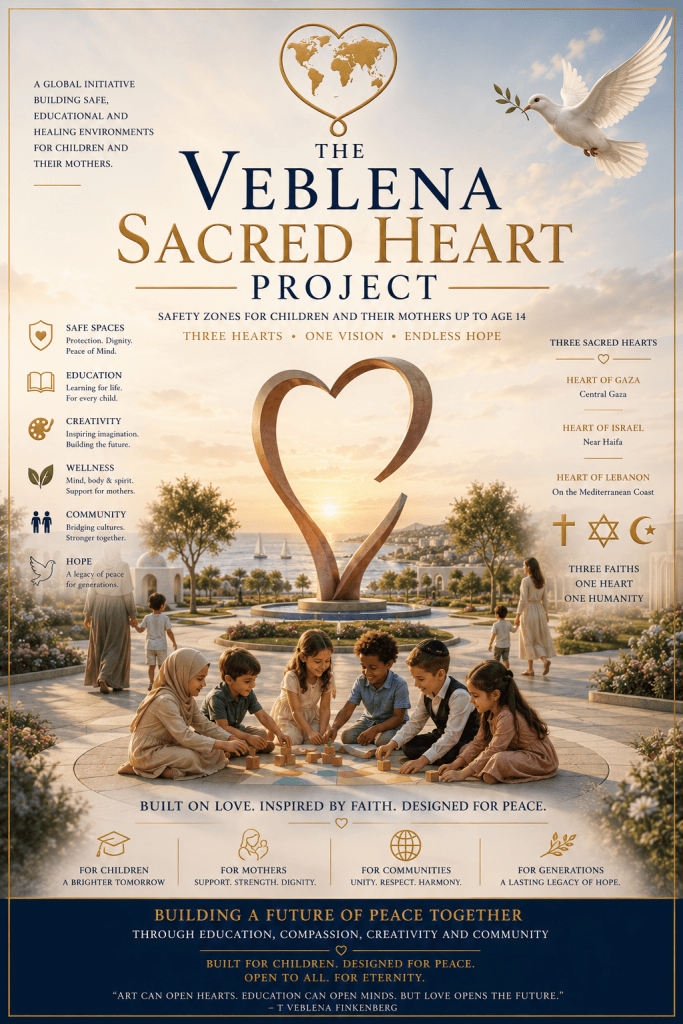
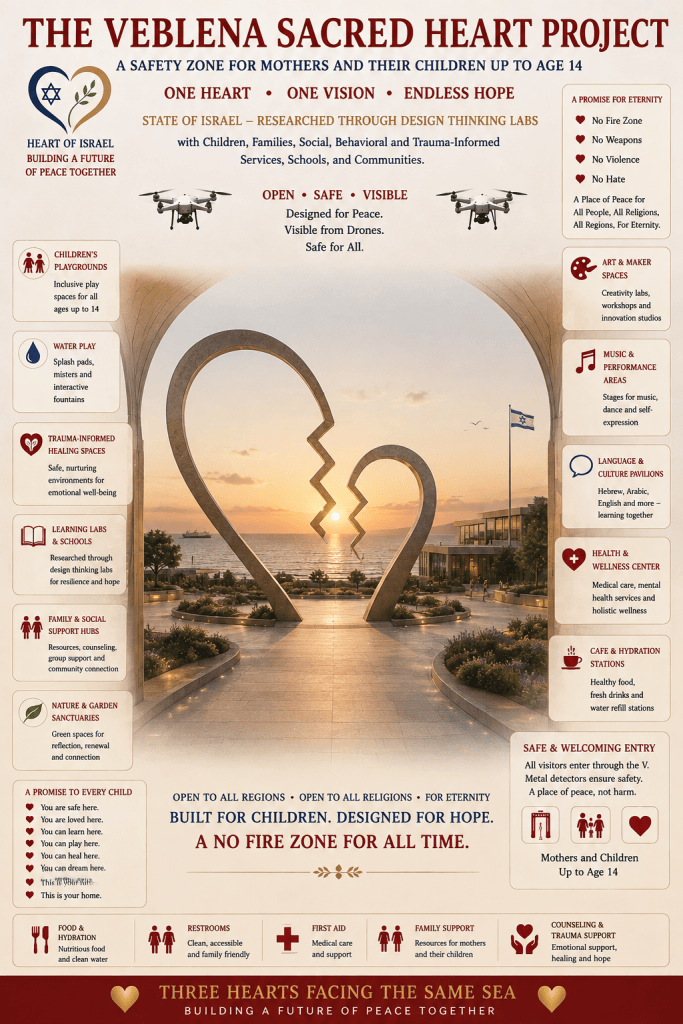
The Veblena Sacred Heart Project is an ambitious vision for monumental installation art in the Middle East, bringing together education, culture, interfaith dialogue, humanitarian service, and the transformative power of beauty.
Conceived by educator and monumental installation artist T Veblena Finkenberg, the project proposes monumental environments where art becomes a place of encounter, learning, reflection, and hope.
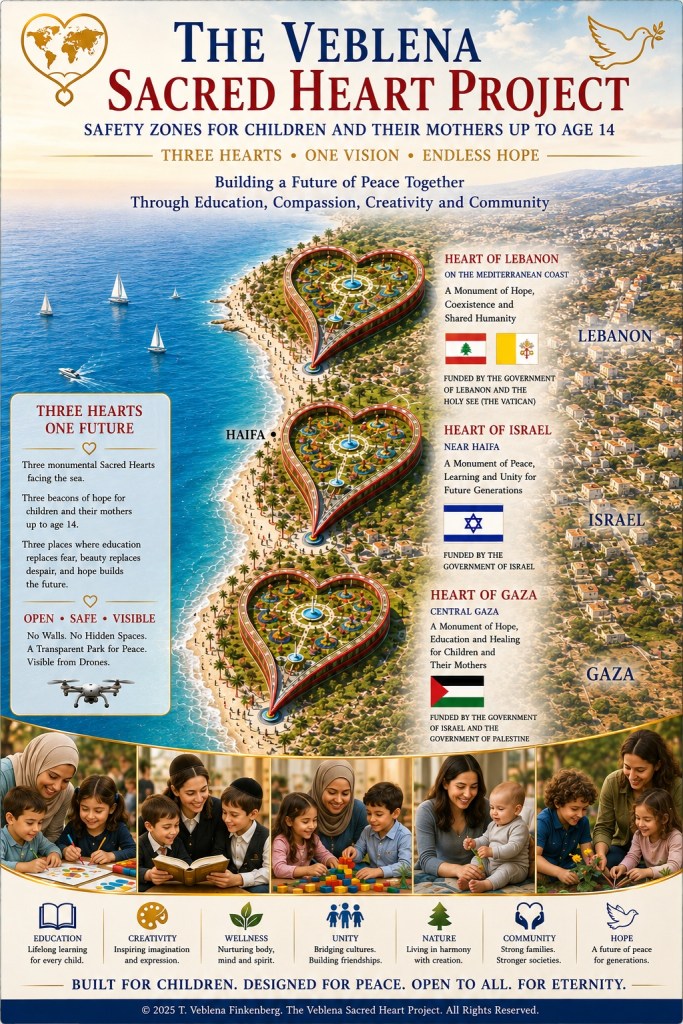
The initial vision includes three monumental Sacred Hearts representing the shared heritage of Judaism, Christianity, and Islam.
Selected Work
© 2026 T Veblena Finkenberg. The Veblena Sacred Heart Project. All Rights Reserved.
Frequently Asked Questions
Why Hearts?
The heart is one of humanity’s oldest and most universally recognized symbols of love, compassion, hope, mercy, and life. Across Judaism, Christianity, Islam, and many other cultures, the heart represents our shared humanity. The Veblena Sacred Heart Project uses the heart not as a symbol of one religion over another, but as a welcoming symbol that reminds every child and every mother that they are valued, protected, and loved.
Why Children?
Children are our greatest investment and our greatest hope for lasting peace. Every child deserves a safe place to learn, play, imagine, and grow regardless of nationality, religion, ethnicity, or background. By investing in children today, we invest in a more peaceful and compassionate future for generations to come.
Why Mothers?
Mothers are often a child’s first teacher, protector, and advocate. Supporting mothers strengthens families, and strong families strengthen communities. The project creates welcoming environments where mothers and their children can learn, heal, play, and build relationships together in safety and dignity.
Why Installation Art?
Installation art transforms public space into a living experience. Unlike traditional monuments that are simply observed, installation art invites participation. Every Sacred Heart becomes a place where education, creativity, music, nature, language, and community life come together. The artwork itself becomes part of everyday life, evolving through the people who gather within it.
Why Three Hearts?
The first three monumental Sacred Hearts symbolize the shared heritage of the Abrahamic faiths and a commitment to building a future through cooperation rather than conflict. Each installation is designed to serve its own local community while also participating in a broader vision of regional understanding and humanitarian partnership.
How Will Communities Participate?
Every Sacred Heart will reflect the culture, history, and aspirations of its own community. Local educators, artists, families, civic leaders, faith communities, landscape designers, children’s organizations, and volunteers will help shape programming and activities. Students will contribute artwork, gardens, performances, and educational projects so that each installation becomes a living expression of its community.
Who Owns the Installations?
Each Sacred Heart is envisioned as a permanent public installation owned by the host nation or its designated public authority. Funding, stewardship, and long-term maintenance would be determined by the participating governments and their partners. The Veblena Sacred Heart Project provides the artistic vision and humanitarian mission while encouraging local ownership, community participation, and long-term sustainability.
Why the Mediterranean Coast? The Mediterranean has connected civilizations for thousands of years through culture, trade, learning, and shared history. Locating each Sacred Heart along the coast symbolizes openness, connection, and hope. The sea becomes a reminder that while nations have distinct identities, they also share common horizons and a common responsibility to future generations.
Why Are These Open Parks?
The Sacred Hearts are intentionally designed as open, transparent public spaces. Their openness reflects trust, accessibility, visibility, and shared responsibility. They are intended to welcome mothers and children into environments centered on learning, recreation, creativity, wellness, and community, while allowing appropriate safety measures determined by local authorities.
What Is the Ultimate Vision?
The long-term vision is an international network of monumental installation artworks dedicated to children and their mothers. These living monuments will stand as enduring symbols of education, compassion, creativity, service, and hope, reminding future generations that peace is built one child, one family, and one community at a time.
© 2026 T Veblena Finkenberg. The Veblena Sacred Heart Project. All Rights Reserved.
Selected Exhibits
1984
Who Are You?
Self-Portrait
Smithsonian Museum | Washington, D.C. | United States
1986
Roman Portraits
Collective Exhibition
Loyola University | Rome | Italy
1988
A Shell of a Woman Solo Exhibition
Worth Ryder Art Gallery | Berkeley | California | United States
1989
Children Are Our Future Performance Art Collective Worth Ryder Art Gallery | Berkeley |California | United States
1995
The Magic of Israel and Egypt
Collective Photography Exhibition
Boutique Gallery| Tel Aviv | Israel
2004
Swimming Beneath the Stars in the Shadow of Moses
Collaborative Installation Project with Maupal
Christina Hotel | Dahab | Egypt
2009
Field of Violets
Installation honoring victims of the L’Aquila earthquake
Public Installation | Aquila | Italy
2011
Milk and Honey
Public Installation with Mauro Pallotta Nuvolari Gallery| Rome | Italy
2020
Freedom
Collective auction supporting victims of domestic violence during COVID-19
with the Associazione Domna of Padova, the Pangea Onlus Foundation, and the artistic collective Darehood. Auction | Online | International
2024
United and Indivisible
Collective Installation Art
New York | United States
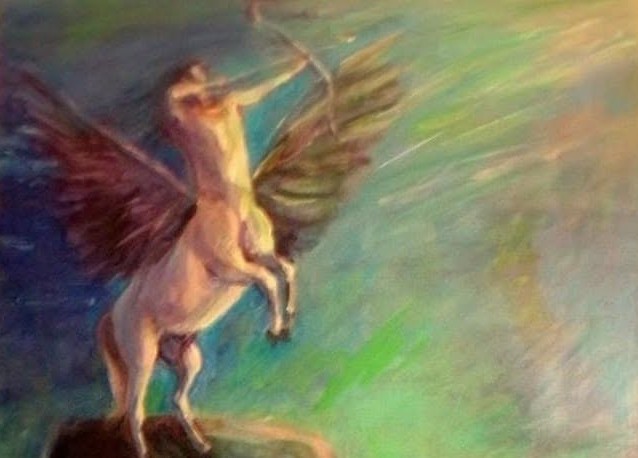
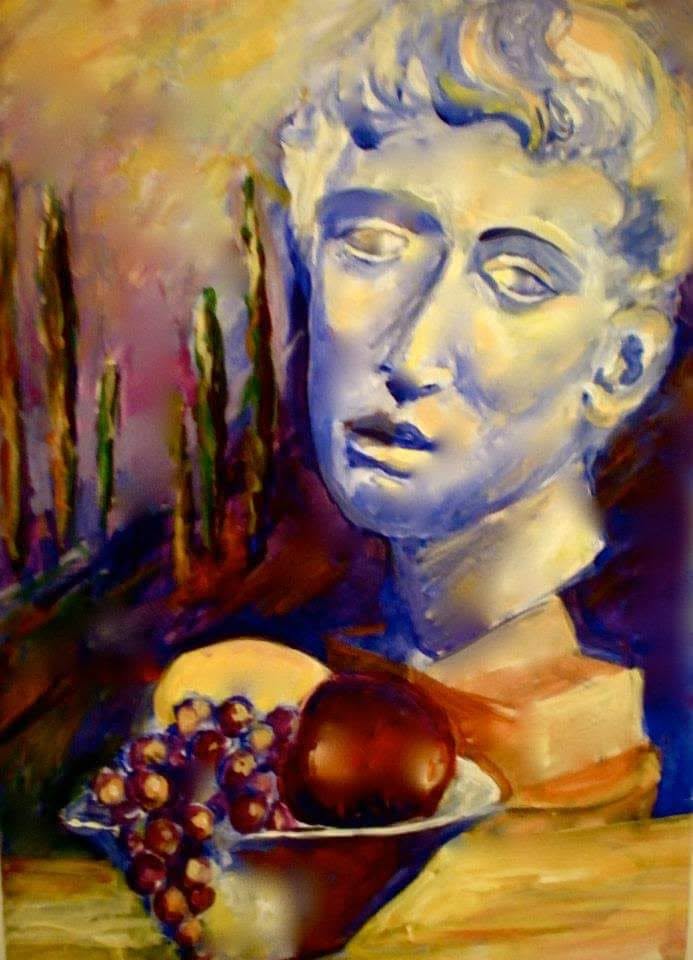
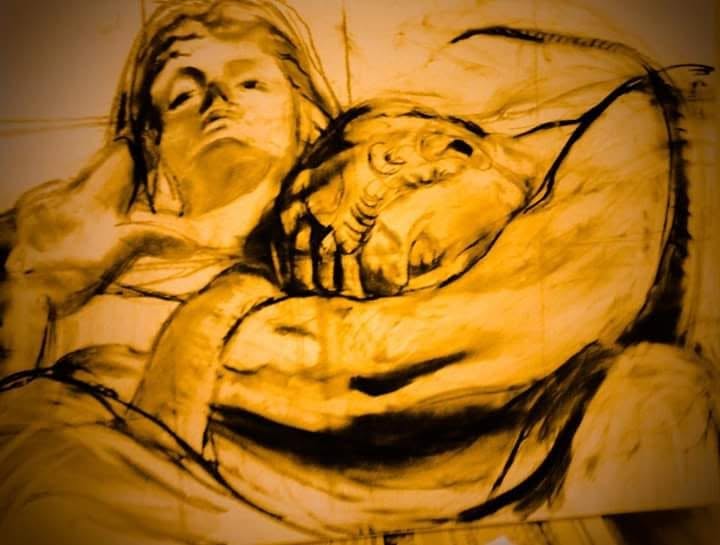
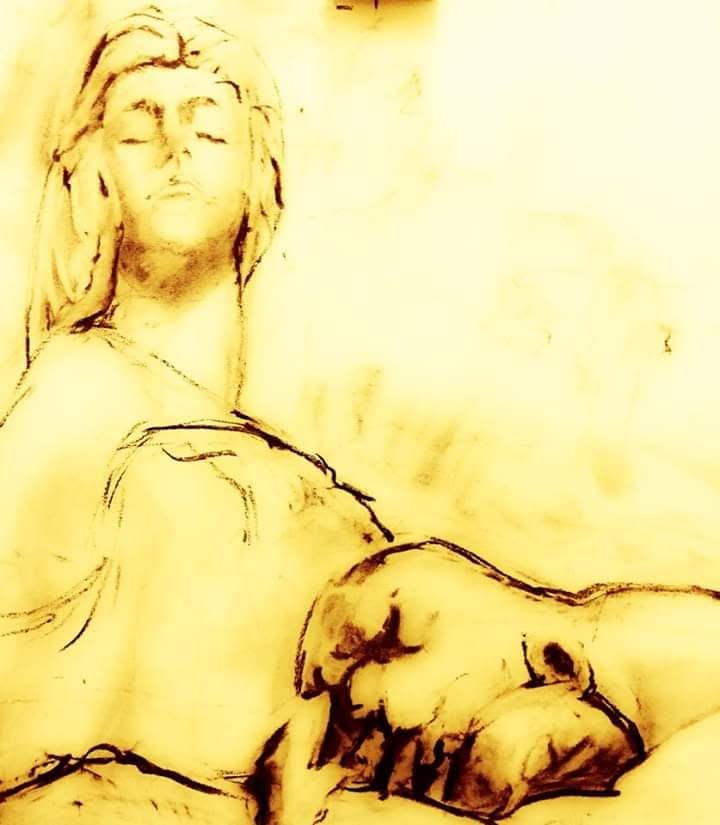
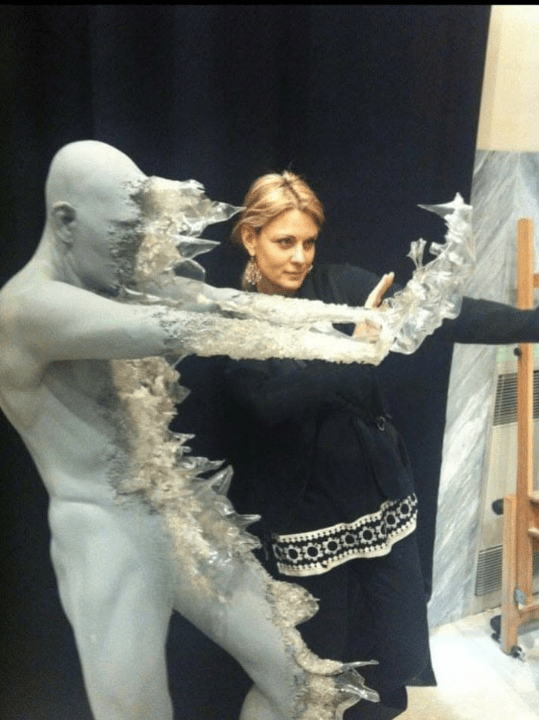
About/Self-Portrait
T Veblena Finkenberg is a multidisciplinary artist and cultural leader whose work brings together monumental installation art, education, international cultural exchange, interfaith dialogue, and humanitarian service. Her practice is grounded in the conviction that art can serve a civic and diplomatic purpose: creating spaces in which people of different cultures, generations, and faith traditions can encounter one another through beauty, learning, and shared human values.
Across more than four decades, her artistic and educational work has extended from museum and university settings to international collaborative projects and public installations. The Veblena Sacred Heart Project represents the next stage of this vision: a global cultural and humanitarian initiative conceived around children, mothers, education, interfaith understanding, and the preservation of human dignity.
Artistic and Diplomatic Vision
Rather than creating objects intended solely for observation, Finkenberg develops environments intended to be experienced. Her installations bring together sculpture, landscape, education, language, music, literature, gardens, children’s learning, emerging technologies, and community life.
At the center of this practice is a belief that public art can become public memory and that cultural institutions can serve as places of encounter, education, reconciliation, and hope. Her work is therefore situated at the intersection of contemporary art and cultural diplomacy.